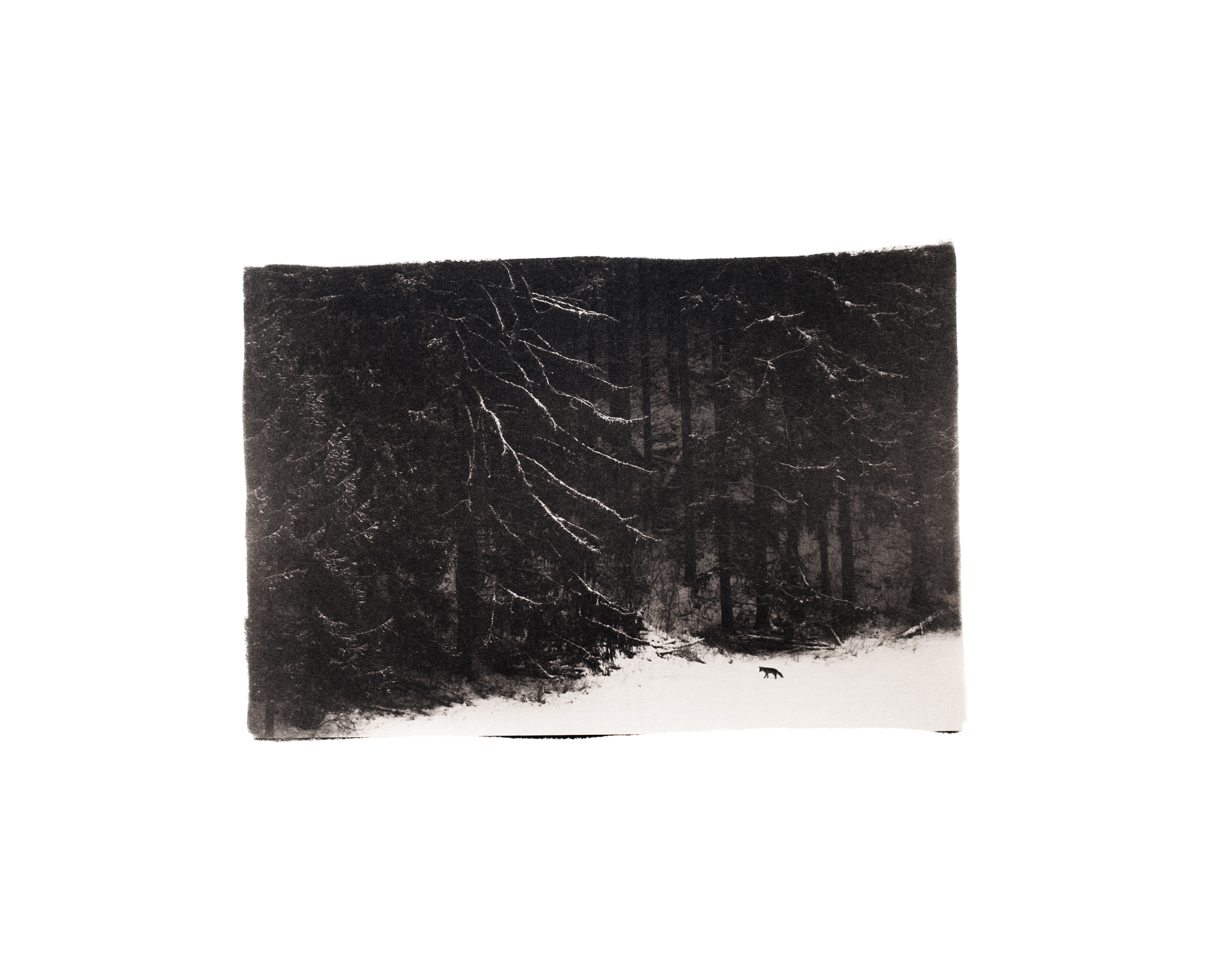
FLATLAND ======== will become FLAT // LAND.


In 2023 the gallery is adapting to its new environment.

Co-directed by Fiona van Schendel since 2012, another chapter will be added to FLATLAND’s 40 years of history. The past few years Fi has committed herself to studies on behavioural ecology and ethology (animal behaviour) at the University of Wageningen and later in 2023 at the University of Oxford.

This interest has resulted in her wish to bridge the knowledge of science to the world of art.

Fi’s interest for this planet’s species and their habitats; of organisms and how they interact with the environment stems from her general curiosity in the survival mechanisms of all animal species. Interested in understanding the functions, causes, development, and evolution of animal behaviour, is key to their survival.

Fi’s goal is to transform the gallery from an international high-profile art gallery into an international project space focused on ethology. To mark this change, FLATLAND will become: FLAT // LAND. It will no longer hold on to its huge exhibition space at the Lijnbaansgracht 314. Instead, the gallery will have an office-space with a smaller viewing-room in Amsterdam Zuid.  Next to this FLAT // LAND will organize exhibitions at museums, institutions and exhibition spaces. The gallery will represent artists for who the territory of fauna is an important issue. It will also present work by invited artists who work in the field of ethology.

Flatland Gallery was established in 1983 by multi-genre professional musician-turned-art dealer Martin Rogge. It has been known for representing innovative and daring contemporary artists. The gallery has showcased their work for 40 years, first in Utrecht, and thereafter in Paris and Amsterdam. The gallery acquired a strong reputation for its artists who would later gain worldwide recognition.

Fiona van Schendel was born in Guildford, UK. She lived in Addis Abeba, Ethiopia until the age of 7. She attended secondary school in The Hague and received her master’s degree in Social and Economic History from the University of Amsterdam and pursued her study at the International Institute of Social History (IISH) in Amsterdam by working on her PhD in history on labour relations during late-colonial period in Indonesia. Her book Djolotigo, a case-study of a plantation economy was published by the Netherlands Economic History Archive (NEHA). Prior to joining FLATLAND she worked as freelance writer on art, photography and society for newspapers and magazines. As director and co-owner of FLATLAND social issues have always held her core interest, such as the exhibition ‘State of Being’ by Anoek Steketee on stateless people in the Netherlands; ‘The voice of cameramen and women’, that included Martin Usborne’s disconcerting documentary ‘Where Hunting Dogs Rests’ on abandoned and killed dogs in rural Spain and the documentary work of Katharine Cooper on the Syrian civil war.

FLATLAND in Amsterdam is open by appointment only on Thursdays, Fridays and Saturdays.
© 2023 FLATLAND, Amsterdamfollow us: